



Measure curbs powers of HOAs around Arizona
BY HOWARD FISCHER – CAPITOL MEDIA SERVICES
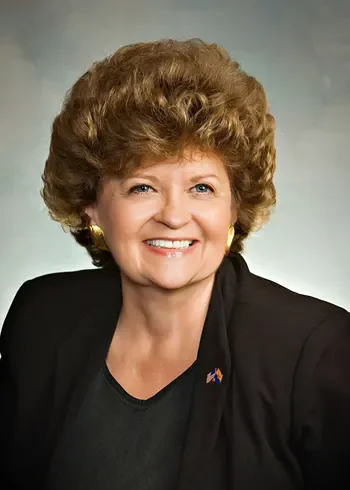
PHOENIX — State senators voted Wednesday to ensure that if you like to hang your clothes out on the line, you have a choice of new homes to buy.
Ditto parking your car on the street all night – or even painting your house chartreuse.
The legislation prohibits cities and counties from requiring home builders to establish “planned communities” as a condition of getting the requisite permits and zoning for a new development. Instead, that would be an option decided solely by the developer.
Nothing would preclude a requirement to ensure that residents in a subdivision contribute to maintaining common areas, walls or even privately owned streets.
Read more: http://www.yumasun.com/articles/griffin-87954-flag-new.html#ixzz2VYb9HaIz
Debunking the myths against tort reform
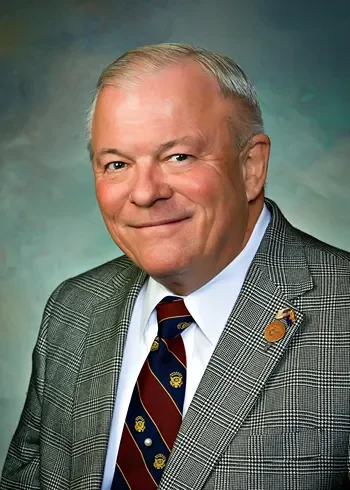
Al Melvin Special To The Arizona Daily Star
It couldn’t have been a surprise for your readers to read an op-ed written by a liberal Democrat candidate and an attorney, claiming that tort reform doesn’t work (“Perceived benefits of tort reform vanish upon examination, so don’t believe lies” by Jo Holt and Grant Winston, May 26).
After all, the modern Democratic Party’s reliance on funding from trial lawyers is legendary. And those trial lawyers rely on abusive malpractice lawsuits to keep themselves in tailored suits sitting at the finest tables at the most expensive fundraisers for liberal politicians like Holt. But what is the point of writing an op-ed so easily debunked by anyone who knows how to use the Internet and any search engine?
Doing so shows a study by some professors – who themselves are linked to trial lawyers – who looked at only a portion of Texas’ health care system to try and debunk the success of tort reform. That same search also shows a truckload of evidence and statistics to show that tort reform has worked exactly as promised.
For the full article, click here:
Republican legislation pushes back on federal travel management rules
Arizona residents’ ability to utilize off-highway vehicles in the state’s federally managed forests will soon be enhanced thanks to legislation sponsored by State Senator Chester Crandell (R-Heber) and House Majority Leader David Gowan (R-Sierra Vista).
HB2551 (off-highway vehicles; use; authority; enforcement) began as legislation sponsored by Majority Leader Gowan and was drafted with the assistance of Arizona’s county sheriffs and the Arizona Game and Fish Commission. The bill later became a striker and was approved by the Senate on Tuesday. It is designed to protect public access to national forests by clarifying that state law enforcement may only impose off-highway vehicle restrictions on land under the jurisdiction of the state and open federal roads.
The legislation also gives the Arizona Game and Fish Department flexibility to decide whether to enforce restrictions on cross-country travel that could interfere with hunting, fishing and recreational activities. Senator Crandell’s amendment to HB2551 comes in response to federal travel management rules that place new and unprecedented restrictions. The federal actions have been met by a public outcry from local and state elected officials as well as hunters, sportsmen, campers and OHV users.
Navajo County Supervisor David Tenney has been among the most vocal opponents to the new rules. Rejecting the federal governments rationale, he stated, “For years, my family and I have hunted, fished and camped in the forest. Now, the Forest Service is telling me and my constituents that we can’t because of a policy decision that is out of touch with the customs and culture of our region. That’s not right.”
Testifying in the Senate Government Committee, Supervisor Tenney expressed his gratitude to Senator Crandell and Representative Gowan for their efforts. “This is a worthwhile cause. There are many citizens in my county and across the state who are thankful for this legislation.”
Supervisor Tenney’s comments were echoed by representatives of Arizona’s county sheriffs. “Arizona’s county sheriffs wholeheartedly endorse House Bill 2551 and appreciate the sponsors’ willingness to move this important legislation forward,” said Jen Sweeney, Deputy Director of the Arizona Association of Counties.
Arizona Game and Fish Commissioner Kurt Davis expressed the Commission’s unanimous support for the bill stating, “One purpose of this legislation is to reaffirm the Game and Fish Department’s leading role in protecting wildlife habitats while ensuring that the use of our law enforcement resources are not spent on efforts that, in some instances, unreasonably reduce the opportunities for Arizona’s families to fish, hunt, camp, or enjoy wildlife viewing or responsible off-highway vehicle recreation.”
Davis emphasized that the department’s education programs, scientific evaluation and law enforcement activities related to protecting wildlife habitats will continue and will be done without impeding Arizonan’s ability to enjoy the outdoors. “This legislation simply strengthens the department’s legally recognized role to manage wildlife across all our public lands and ensures that role is more appropriately recognized and respected,” he said.
Senator Crandell acknowledged the widespread public support for HB2551 stating, “As a father and grandfather, I have spent countless nights sleeping under the stars with my children and grandchildren. I am outraged that federal bureaucrats in Washington D.C. are trying to take that experience away. It’s time for Arizona to take a stand against these federal rules and I am proud to sponsor the legislation that will accomplish that.”
Representative Gowan agreed stating, “For too long, Arizona has stood by while federal agencies place more and more restrictions on our public lands. I am proud to co-sponsor this legislation with Senator Crandell and look forward to protecting Arizona families’ right to enjoy the great forests of our state”
Senator Griffin appointed Co-Chair of Joint Border Security Advisory Committee
Senator Gail Griffin of Hereford has been appointed Co-Chair of the Joint Border Security Advisory Committee, Senate President Andy Biggs announced. Senator Griffin has been a member of the committee since March 2011.
Senator Griffin has a long history of working toward securing our borders and getting our message to the federal government that our borders are not safe. She knows firsthand the danger: her home sits just 15 minutes from the U.S.-Mexico border.
The purpose of the Joint Border Security Committee is (1) take testimony and other evidence regarding the international border; (2) analyze border crossing statistics; (3) analyze related crime statistics; (4) make recommendations to increase border security (5) make other recommendations deemed essential to the committee.
As part of its statutory duties, the committee is in charge of the Border Security Trust Fund, which is administered by the Arizona Treasurer. Monies from the fund can be used for any purpose regarding the construction and maintenance of a secure fence along the Arizona-Mexico border line on private, state or federal property. The fund accepts private donations online with the intention of using those donations to build the border fence.
The committee includes members of the Senate and House of Representatives, a number of county sheriffs and agency directors. Committee meetings are open to the public.
As Arizona citizens, we are all impacted in some form by our unsecured border. This committee plays a major role in bringing public awareness to the severity of the issues and consequences of the failed federal government policies in securing our borders.
Senator Kelli Ward Selected as Early Learning Fellow
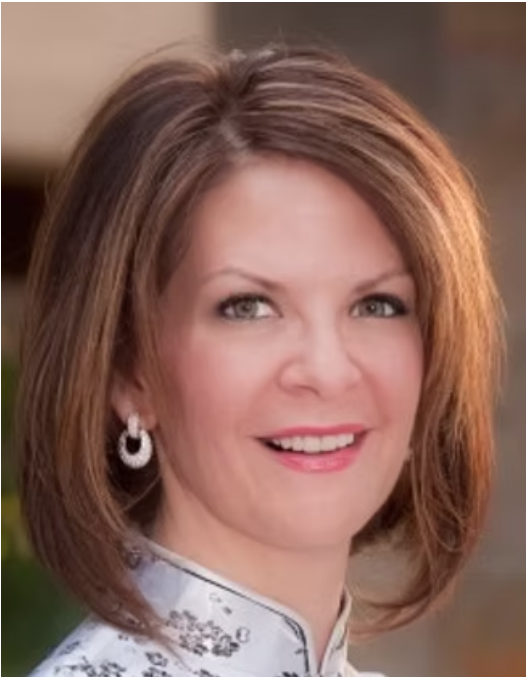
Thirty-five state legislators and legislative staff from 26 states and Puerto Rico have been selected as Early Learning Fellows by the National Conference of State Legislatures (NCSL). Now in its second year, the program exposes fellows to the latest research and state policy ideas during a yearlong series of webinars and meetings on how best to make sure young children get a positive start in life. Arizona State Senator Kelli Ward was selected as one of the 35 Fellows this year.
“The NCSL Early Learning Fellows Program provides opportunities to learn about cutting-edge research and best practices in early childhood education from experts in academia and public school districts,” said New Hampshire state Representative Mary Gile, last year’s fellow and chair of the House Education Committee. “Meetings and webinars offered stimulating, inspiring and affirming information from both theoretical and practical perspectives. I especially appreciated meeting and working with legislative colleagues from across the nation.”
The fellows were nominated by state leadership and selected based on their interest and commitment to a wide range of education, health, human services, state budget and other issues as they relate to early learning. In addition to exploring new research and policy ideas, lawmakers and staff will learn and strategize about federal initiatives, including the Maternal, Infant and Early Childhood Home Visiting grants. This year’s efforts will build on the accomplishments made during last year’s inaugural program by giving fellows the latest informational tools on brain research, economic evaluation findings and evidence-based programs.
“There has been a great deal of research and interest in early learning in recent years, so the timing is ideal for NCSL to facilitate a program that brings the top stakeholders together for the benefit of our members,” said Bill Pound, executive director of NCSL.
The 2013-2014 Early Learning Fellows program kicked off May 1 and 2 during NCSL’s Spring Forum in Denver. A final meeting focusing on best practices and the latest science will be held Dec. 6 and 7 in Washington, D.C. Program expenses are covered by a grant from the Alliance for Early Success (formerly Birth to Five Policy Alliance). For more information, please visithttp://www.ncsl.org/fellows.
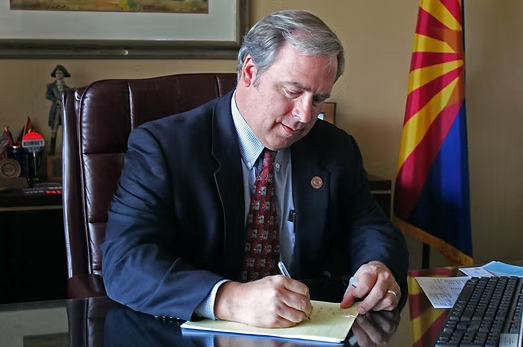
The big leap: Aging out of Arizona’s foster care system
PHOENIX– “Every year, hundreds of young adults age out of Arizona’s foster care system. It is a big transition that comes with very little support, but there is new legislation intended to lighten the load, though it may only help a little.
At 12 years old, Monique Gilliam was put in foster care after her mother overdosed on prescription drugs and alcohol. She mostly lived in group homes and shelters. She never got a foster family.
“I always had something to prove,” Gilliam said of life in the system. “I had to prove I was tough enough not to get beat up. I had to prove I was independent enough that they didn’t have to do everything for me and tell me how to live my life.”
But in school, Gilliam was in control. Other girls would skip class, but Gilliam would go, even if it meant begging for bus fare. It was her way out of life in a group home.
“The sooner I enrolled in college, the sooner I could leave,” Gilliam said.
Gilliam graduated early, at the top of her class. When she turned 17, Gilliam had herself declared independent from the foster care system.
“I had no bed. I had no furniture. I had no kitchen supplies,” Gilliam said. “I didn’t have a vehicle. I didn’t have a driver’s license. I didn’t have insurance cards. I couldn’t take myself to the doctor. I couldn’t even sign a lease for an apartment.”
Still, she figured out how to get by. She went to college full time, took out loans and worked two jobs – 75 hours a week. At one point she took in her younger sister who had a new baby.
“I don’t think I slept for years through school,” she said. “I just graduated last year, and I don’t think I slept until that point.”
Gilliam’s experience should have been easier, according to Arizona Senator Adam Driggs. He sponsored a bill that would set up a five-year pilot program to ensure foster care alumni pay no tuition at Arizona state schools and community colleges.
“It’s an additional safety net for them to say you can plan on college,” Driggs said. “If you’re in the foster care system, start planning now when you’re 12, 13, 14, start planning now because college is attainable for you.”
The bill has passed the Senate and is awaiting a formal vote in the House.”
To read the entire article click here: http://www.kjzz.org/content/1305/big-leap-aging-out-arizonas-foster-care-system
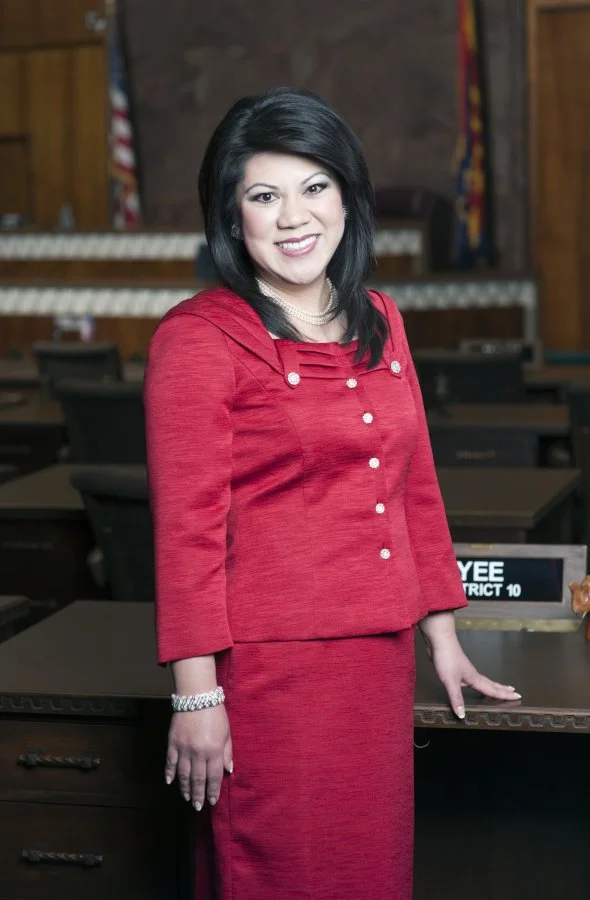
Senator Yee: Funding is coming
“There is finally good news on the horizon for education funding in Arizona.
As soon as the state economy began to show new signs of life, legislators came forward to discuss plans for immediate increases to our K-12 school system. This is a priority that many of us promised when you elected us in November.
I have worked with both Republicans and Democrats to determine funding priorities. With the difficult decisions that come with developing any budget, the overwhelming sentiment is that education needs to be at front of the line for funding increases.
This year, K-12 education in Arizona is expected to receive an $80 million increase in baseline funding. This is on top of the $56 million in new K-12 education funding the Legislature allocated last year.
These new funds may be used for programs, to be determined by each school district, for key areas such as teacher development, robust reading programs, new computers, classroom supplies, vocational education and STEM (science, technology, engineering and mathematics) education.
We have also crafted budget priorities to ensure our schools are safe and secure, with additional dollars going to the successful school-resource-officer program.
This is good news for students, parents and educators. And it is a good day when our elected officials can all agree that education truly is a priority in Arizona.”
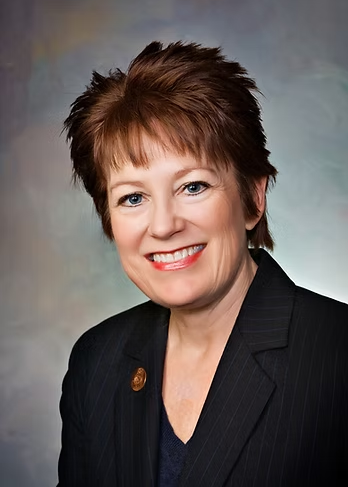
Senator Barto appears on Arizona Horizon
We compare prices before buying a new car or a dishwasher. Why don’t we do the same with our health care? Senator Nancy Barto appeared on Arizona Horizon on Channel 8 in Phoenix to discuss her bill that would do just that.
Husband and wife doctor team wary of Obamacare
KINGMAN – State Sen. Kelli Ward and her husband Mike are both physicians. She has a private practice in Lake Havasu City, he works in the Kingman Regional Medical Center emergency room. They sat down with Reporter Suzanne Adams, News Editor Alan Choate and Editor Rich Thurlow on Feb. 22 for a lengthy interview.
Part 1, published in the March 3 Miner, was focused on health care delivery from the perspective of a state senator who is also a physician, with Kelli Ward offering most of the input. This segment deals with health care in the age of the Affordable Care Act – Obamacare.
Miner: Can you give us an overview on the changes in medical care due to the Affordable Care Act?
Mike Ward: I think its important to emphasize that Kelli is very well aware that she ran on an anti-Obamacare message and was elected with over 71 percent of the district. She’s sensitive to that. We are, both. We don’t believe in it. Philosophically we don’t believe in it.
Kelli Ward: I believe in the free market. I think we are going far, far afield of the free market. There really is a great state of Maricopa. So much revolves around that area, which you know, the mega population is right there. But a lot of things they want to do there are not what would work for the whole rest of the state.
But I’ve had people from the Phoenix area, not legislators but other people, say, “Well, you need to tell your constituents what is good for them and what they want.” I think that’s one of the things wrong with government, is that people are patting their constituents on the head and saying, “Oh, honey, don’t worry. I know best and I’ll do what’s best for you.” I’m really striving to keep in touch with constituents and let them know what’s happening and get their input.
I like the lobbyists. I think that they’re great. I think they have great information. I equate them to drug reps. In my practice, I always had pharmaceutical reps come in. They have great information, cutting-edge technology and all these things. But I also have to remember the same with drug reps as with lobbyists – take everything with a grain of salt, because they have a product and that’s what they’re paid to sell you.
To read the full interview click here: http://www.kingmandailyminer.com/main.asp?SectionID=1&SubsectionID=1&ArticleID=55390
Senator Al Melvin discusses the need to ban texting while driving
PHOENIX (CBS5) – “Drivers in Arizona see it almost daily – drivers texting behind the wheel. The potentially deadly behavior is not against the law.
“The majority of people know that it’s wrong, but they admitted to doing it anyway,” said Stephanie Dembowski of AAA Arizona.
That’s what one AAA survey showed when randomly polling their members.
Dembowski pointed to another annual AAA survey which measures members’ opinions about public affairs issues.
“What we found is that 92 percent of them said that they support a statewide ban on texting while driving.”
Those big numbers in favor of a ban aren’t just with AAA members.
“Most parents I talk to say, ‘Yes! This is what I want. I want a no texting while driving bill. It’s the right thing to do,'” said Sen. Al Melvin, R-District 11.
For five years now, Melvin has been trying to pass bills that outlaw texting while driving. The latest, Senate Bill 1241, banned wireless devices for teens during their first six months of having a license. It never received a hearing on the Senate floor.
Other state lawmakers have authored bills as well, but none of them have passed.”
To read the full article and to watch the interview, click here: http://www.kpho.com/story/21813596/arizona-remains-1-of-5-states-without-statewide-texting-ban
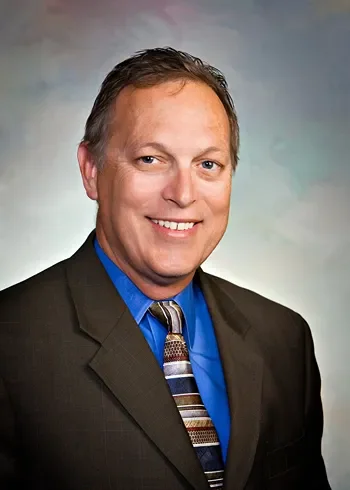
Senate President Biggs joins House Speaker Tobin for their monthly legislative update on Channel 8
Senate President Andy Biggs and House Speaker Andy Tobin appear on Arizona Horizon to discuss the latest news from the state capitol, including whether progress is being made on the state budget and the latest with the push to expand Medicaid.
To watch the discussion, click here: http://www.azpbs.org/arizonahorizon/play.php?vidId=5753
Reagan stops by Yavapai elections office to talk about bills
PRESCOTT – Yavapai County elections officials say they support several bills seeking to change election laws that are sponsored by Arizona Sen. Michele Reagan, R-Scottsdale.
Reagan is traveling to county seats across the state to update elections officials about the bills, and she stopped by the Yavapai County Recorder’s Office on Friday first.
“She reached out from the very beginning,” Yavapai County Recorder Leslie Hoffman said.
“They gave me a lot of suggestions, and we made a lot of them into bills,” Reagan said.
To read the rest of the article, click here:
http://www.prescottaz.com/main.asp?SectionID=1&SubSectionID=1086&ArticleID=117723
Our View: Find your cowboy boots
“If you live in Arizona, State Sen. Gail Griffin wants you to be a cowboy on the fourth Saturday in July.
Break out your 10-gallon hat and check the spurs on your boots because thanks to our local State Senator, Arizona will once again recognize cowboys on July 27, 2013.
“National Day of the Cowboy encourages people to observe and celebrate the contributions the men and women known as cowboys have made to American history and culture and the economic impact cowboys contribute via ranching and rodeos,” states SB 1139.
As chairman of the Senate Government and Environment Committee, Griffin used the “striker” maneuver to move the bill onto a vote by the full Senate, which passed the measure. Similar legislation is moving through the House, and with its expected approval, the bill will land on the governor’s desk in the near future, awaiting her signature to complete the process.”
To continue reading this article click here: http://www.svherald.com/content/opinion/2013/03/25/349892
Lawmaker: Establish state penalties for schools’ privacy violations
An Arizona lawmaker wants to create state-level penalties for schools that violate a federal law prohibiting them from releasing students’ private information to non-educational entities.
“When we’re going outside the scope of education and giving this type of private information to anybody, it’s really a problem,” said Sen. Kimberly Yee, R-Phoenix.
The federal Family Educational Rights and Privacy Act already prohibits schools from disclosing student records without consent. Exceptions to that rule include schools releasing “directory information” such as students’ names, phone numbers and addresses unless a parent or student signs a non-disclosure form.
Penalties for violating the law can include a school, district or charter losing all of its federal funding.
Under SB 1450, knowingly committing a FERPA violation would cost up to 10 percent of an entity’s monthly state funding disbursement. The cuts would remain in place until the violation is corrected.
The bill won unanimous approval from the Senate. The House Education Committee endorsed it Monday, March 18, on a 6-3 party-line vote.
Yee said the bill followed two years of research into FERPA violations at Arizona schools. She told the committee she heard of a few violations, including one instance of school officials giving a mobile dentistry provider students’ medical insurance information. The company used the information to contact parents and get approval to complete dental work on children, she said.
“These are personalized sheets of information with your home information and your student identifier numbers and they should not be leaving the school campus – but they are,” she said.
Follow the link to read the full article: http://www.tucsonsentinel.com/local/report/032313_leg_ferpa/lawmaker-establish-state-penalties-schools-privacy-violations/
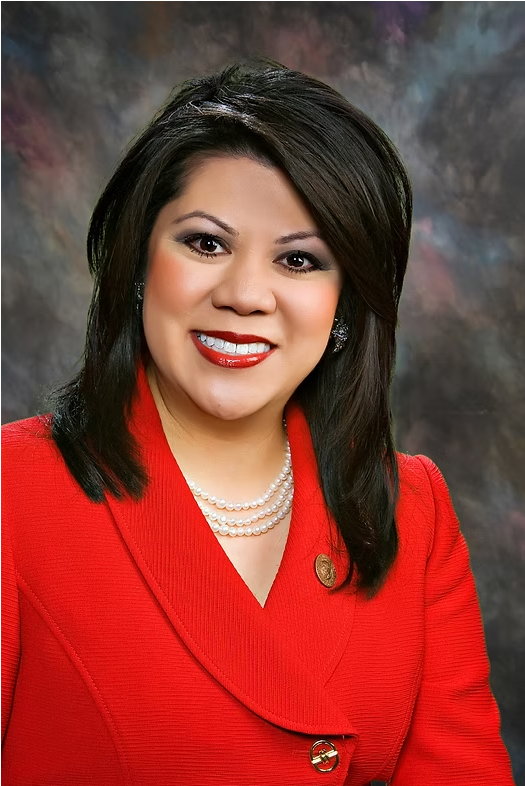
“State, county are transparent with finance websites” by Senator Kimberly Yee and Andy Kunasek
“Recently, Maricopa County contracted to purchase 450 bulletproof vests to protect our law-enforcement officers.
The purchase will be made over a three-year period and will cost an estimated $360,000. County officials believe this is a good price for the equipment, and we agree. But you don’t have to take our word. Our transparency website lists such transactions and other financial information about how your government spends your money.
All citizens have a right to detailed financial information about how your government spends your money. And now, with both the state and county OpenBooks websites, that information is easily obtained on the Internet. Just log on to maricopa.gov/openbooks or visit the state’s website at openbooks.az.gov.
At OpenBooks, you will find up-to-date financial data including revenue sources, departmental budgets, expenditures, bids, contracts, tax bills, audits, financial reports and bond ratings. You can research property tax rates for cities, school districts, community colleges and special districts.
We call this “transparency,” a fancy way of saying we’re trying to be open and aboveboard about what government is doing and how much it is spending.”
To continue reading this article click here: http://www.azcentral.com/opinions/articles/20130307state-county-transparent-finance-websites.html
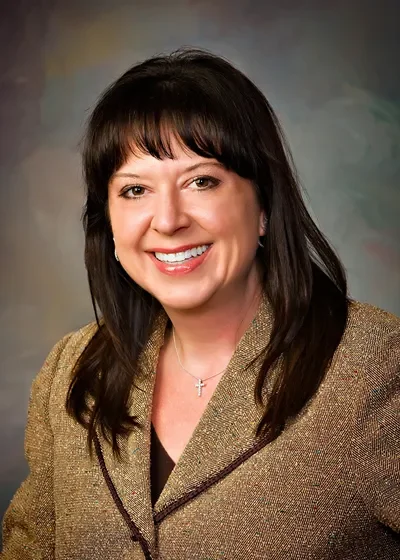
Senator Michele Reagan debates election reform bills on Channel 12’s Sunday Square Off
Senator Reagan sat down with Senator Steve Gallardo to debate election reform bills that are moving forward in the legislature. To watch the debate, moderated by Channel 12’s Brahm Resnick, follow the links.
Part 1: http://bcove.me/ot69vljz
Part 2: http://bcove.me/ot69vljz
Arizona senator aims to tighten medical-marijuana laws
Sen. Kimberly Yee has become the go-to legislator for bills involving Arizona’s medical-marijuana law.
The Phoenix Republican is the primary sponsor of three measures this session that would tighten what members in the law-enforcement community have identified as loopholes in the 2010 voter-mandated law as well as pave the way for university researchers to study the effects of medical marijuana.
Her bills give direction to law enforcement on what to do with medical marijuana that is seized during a criminal investigation (destroy it) and would require manufacturers to put warning labels on edible medical-marijuana products — ice cream and candy, items attractive to children — similar to those on cigarettes.
To read the entire article follow the link: http://www.azcentral.com/news/politics/articles/20130307kimberly-yee-aims-tighten-pot-laws.html
Arizona fights back against federal actions by Senator Chester Crandell
There has been plenty of misinformation about a resolution I’ve sponsored that is moving through the legislature, and I am trying to clear it up. Senate Concurrent Resolution 1016 would constitutionally allow the people of Arizona to reject a federal action if they determine it violates the United States Constitution. They could do this by passing an initiative or referendum, passing a bill or by using legal action. In addition, the resolution further prohibits the state from using personnel or resources to further enforce a federal action that the people have deemed unconstitutional. SCR 1016 passed out of the Senate and is currently in the House of Representatives. If it clears there, it would likely be sent to you, the voter, in 2014.
Opponents of SCR 1016 claim that this type of legislation causes outsiders to mock the state of Arizona, making it a target for unnecessary and unkind media attention. So now we should consider the late night comedians when determining the best legislation for our state? Well, the people of Arizona aren’t laughing when they suffer the consequences of federal government overreach. If the cost of fighting back is suffering through some punch lines of comedians, I’ll take it.
I believe that SCR 1016 reflects and enhances the system of government in the United States, specifically with regard to the concept of “checks and balances”. We must fight back for the things that we as a state value. SCR 1016 would allow Arizona to reject federal actions that overstep their boundaries and interfere with the Constitutional sovereignty of the state.
In the past other elected officials have taken necessary steps to reject unconstitutional federal actions. The Brady Act, passed in 1993 as an amendment to the Gun Control Act of 1968, imposed a waiting period of up to five days for the purchase of a handgun, and subjected purchasers to a background check during that period. Sheriff Richard Mack of Graham County challenged the Brady Act’s provisions in the local federal district court, explaining that the act imposed duties upon him as a county sheriff. He invoked the Tenth Amendment and the district court ruled that the act did in fact violate the Tenth Amendment by imposing a mandatory duty on sheriffs to conduct background checks.
SCR.1016 expands upon this type of action and it seeks to follow the example of Sheriff Mack, expanding upon his efforts to challenge the federal government. In November of next year, you may be able to join in this challenge by supporting our legislation.
Working Hard to Improve Elections and Getting Results
We’re just a few weeks in and this legislative session has already been productive, especially when it comes to trying to improve the way we run elections in Arizona. As the Chairman of the new Senate Elections Committee, I have introduced a number of bills that are aimed at increasing efficiency and overcoming the many obstacles our election system faces. I am proud to have introduced several vitally important measures that will streamline our election system, reduce fraud and create greater transparency regarding lobbyists and special interest groups.
In Tuesday’s Senate Elections Committee hearing, we heard SB 1332 which passed with only one ‘no’ vote. This bill is a bi-partisan effort that increases the frequency of lobbyist reporting from quarterly to monthly. In addition, the legislation clarifies and further defines “gifts” when used in the context of lobbying. The bill also addresses the need to hold lobbyists and officials accountable by imposing a criminal penalty for those who knowingly violate these rules.
I also introduced SB 1263, which requires paid signature circulators to register with the Arizona Secretary of State’s office prior to collecting signatures for ballot initiatives. Arizona law currently requires that a petition circulator must be eligible to register to vote at the time they are collecting signatures. However, in several instances petition circulators have provided false information related to their residence or criminal history allowing them to skirt the law.
Current statute has no means for enforcement, so SB 1263 addresses these short-comings by requiring all paid petition circulators to undergo a background check and register with the Secretary of State’s office. This legislation does not apply to volunteer petition circulators. In addition to promoting transparency and accountability, we worked to create a more efficient means for tabulating ballots and ensuring results are announced in a timely manner. Arizona drew national attention in the last election when the state was overwhelmed with provisional ballots, which resulted in a long delay in tabulating official results.
I’m very optimistic that these efforts will pass the full Senate and that we will have new laws in place to guarantee our election process is straightforward and efficient going forward. These bills are just a few of the steps I have taken toward improving elections in Arizona, and so far, I’m happy with the results. I will continue to work hard on voter education, improving access to voting, and making Arizona an efficient model for other states to follow in future elections.
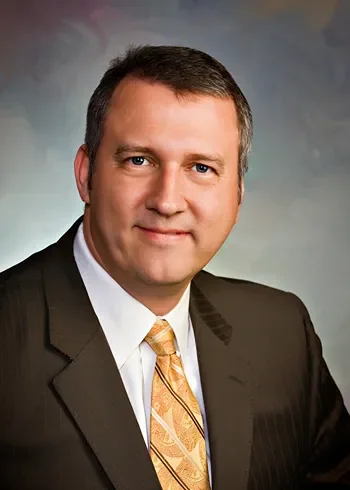
Senator Crandall talks about school safety on Arizona Horizon
Senator Rich Crandall appeared on Channel 8’s Arizona Horizon to discuss his bill that would allow rural teachers or administrators who meet certain requirements to carry concealed firearms, if approved by the school’s governing board. Senator Crandall was joined by Senator Leah Landrum Taylor to discuss the measure.
To watch the full discussion click here: http://www.azpbs.org/arizonahorizon/play.php?vidId=5625